
How Much Does It Cost to Build a Mobile App in the Philippines? A 2026 Guide
“How much does an app cost?” is a sensible first question from a Philippine business owner, but a single peso figure would hide the decisions that determine the quote. An internal field checklist and a customer shopping app may both appear as icons on a phone while requiring very different systems behind them. We budget an app by defining the first useful workflow, the devices it must support, the data it will exchange, and the work needed after launch. Our mobile app development service can be scoped against those decisions.
There is no useful sticker price for a custom app
A quote pays for more than screens. It covers discovery, design, development, testing, deployment, and handover. A two-screen form that sends entries to an existing system can still require difficult identity or data integration work. A ten-screen catalog backed by a clean, established product feed may be simpler. The number of screens is a rough input, not the budget formula.
Begin with a single transaction. For a hypothetical Biñan retailer, a customer opens the catalog, checks whether an item is available, places an order, chooses a supported payment method, and receives a confirmation. List what each step reads or changes. If stock is held in a spreadsheet and staff update it once a day, the app cannot truthfully promise live availability without new operational work. That work belongs in the estimate.
There is no verified BytesCrafter price list in this guide. Ask any supplier for a proposal tied to your actual scope, assumptions, and exclusions. An unsupported “typical Philippine app price” can be less helpful than a detailed quote that says who supplies product data and who fixes a failed payment.
Compare three scope levels
Use the levels to describe work, not to imply a fixed price or delivery time.
| Scope level | What the first release does | Common cost drivers to confirm |
|---|---|---|
| Focused tool | One role completes one workflow, such as a field checklist or appointment request | Sign-in, offline data, device camera, export, support |
| Connected service | Customers and staff use accounts, an admin view, and one or more existing systems | API access, payment flow, notifications, role permissions |
| Multi-workflow platform | Several roles coordinate orders, branches, inventory, and reporting | Data migration, exception rules, recovery, audits, integrations |
A minimum viable product (MVP) is the smallest release that lets the intended user complete a real task and lets the business learn from it. It is not an unfinished app with security or testing removed. State what must be usable at launch and what can wait for a later phase. Then ask vendors to quote the same first release.
Identify the cost drivers a quote should show
Platform and devices. Decide whether the app needs iPhone, Android, or both. A shared codebase can reuse work across platforms, while device-specific features may still need separate testing and adjustments. Request a list of supported OS versions and devices rather than assuming “works on both” covers every phone in use.
Design and content. Count user roles and workflows, not only screens. A booking flow needs service descriptions, confirmation messages, and error states. Decide who supplies copy, product photos, translations, icons, and approvals. Accessibility and testing should be planned, not left for the last week.
Backend and integration. The app may need accounts, a database, an admin panel, and connections to POS, inventory, payments, or HR software. Ask whether an existing vendor provides a documented API and test environment. If no supported connection exists, record the discovery work separately from the build estimate.
Offline and synchronization. A field team may need to read jobs and save work without signal. That requires local storage, retry rules, conflict handling, and a way to see what remains unsent. “Offline mode” should name the tasks that work and the tests that prove it.
Security and privacy. Define which personal data is collected, who can see it, how access is removed, and what happens when a phone is lost. A business handling customer or employee data should have its privacy lead review the design against the Philippine Data Privacy Act’s implementing rules. The law does not give every app the same implementation cost; the data and workflow determine the work.
Launch and support. Include test devices, user acceptance, store submission, monitoring, bug correction, server costs, and the person who will publish updates. A build quotation that ends at “code complete” leaves these jobs with the buyer.
Budget the store and running costs separately
If the app will be distributed through public app stores, the business needs appropriate developer accounts. Apple lists the Developer Program at US$99 per membership year and notes that local prices may vary. Google lists a US$25 one-time Play Console registration fee. Check the current terms and applicable taxes when enrolling. These are platform account fees, not a quotation for BytesCrafter development.
Running costs can include hosting, storage, messages, maps, payment-provider charges, monitoring, support time, and renewed third-party licenses. Record who owns each account. If the developer uses its own account for a service, ask how access and billing transfer to the business at handover. For an internal app, the distribution method may differ; discuss it before assuming app-store publication is required.
Send one comparable request to every vendor
Use this short budget brief:
| Question | Your answer |
|---|---|
| One user and one task for first release | |
| Platforms and devices to support | |
| User roles and approvals | |
| Existing systems, vendor, and API status | |
| Data to migrate and owner of cleanup | |
| Offline tasks and recovery behavior | |
| Payment or notification methods actually needed | |
| Test cases that prove the task works | |
| Content, licenses, accounts, and handover owner | |
| Items deliberately saved for a later phase |
Ask each bidder to separate discovery, first-release build, integrations, launch, and ongoing support. Request assumptions, exclusions, third-party fees, change-request rules, and acceptance evidence. A quote that is lower because it excludes migration or testing is a different product; the sheet makes that visible.
If a mobile website can already meet the task, ask for that option in the comparison. If staff need camera capture, device features, or dependable offline work, describe those requirements so the app decision is grounded in use. Send the completed brief, and we can discuss a scoped estimate for the first release rather than guess from an idea alone.
Related Stories
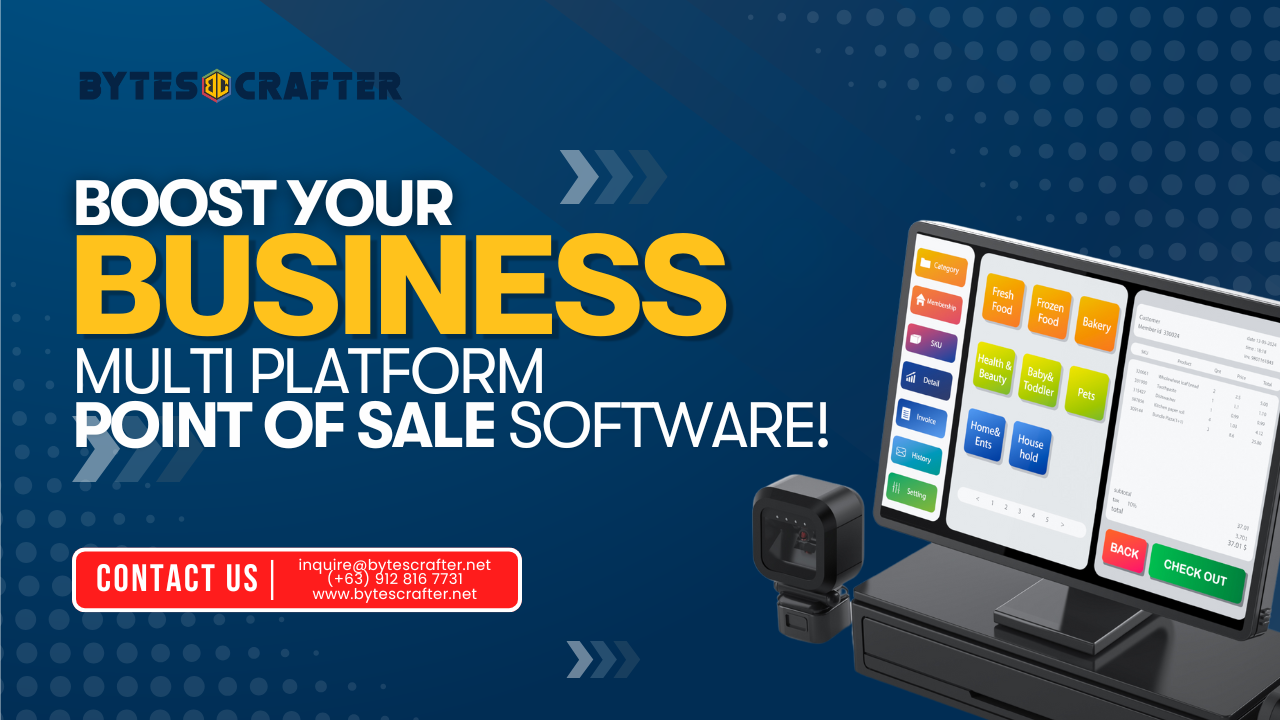
Multi Platform Point of Sale Software
MoPOS is an easy to use and straight to the point POS software. If your business is still struggling in the process of sales, then MoPOS can help you! MoPOS will help your business…
Mobile App or Mobile-Friendly Website? How to Decide in 2025
A client showed us a quote for a native mobile app last week, and our first question back was not about the budget. It was: who opens this, and how often? That settles the mobile a…
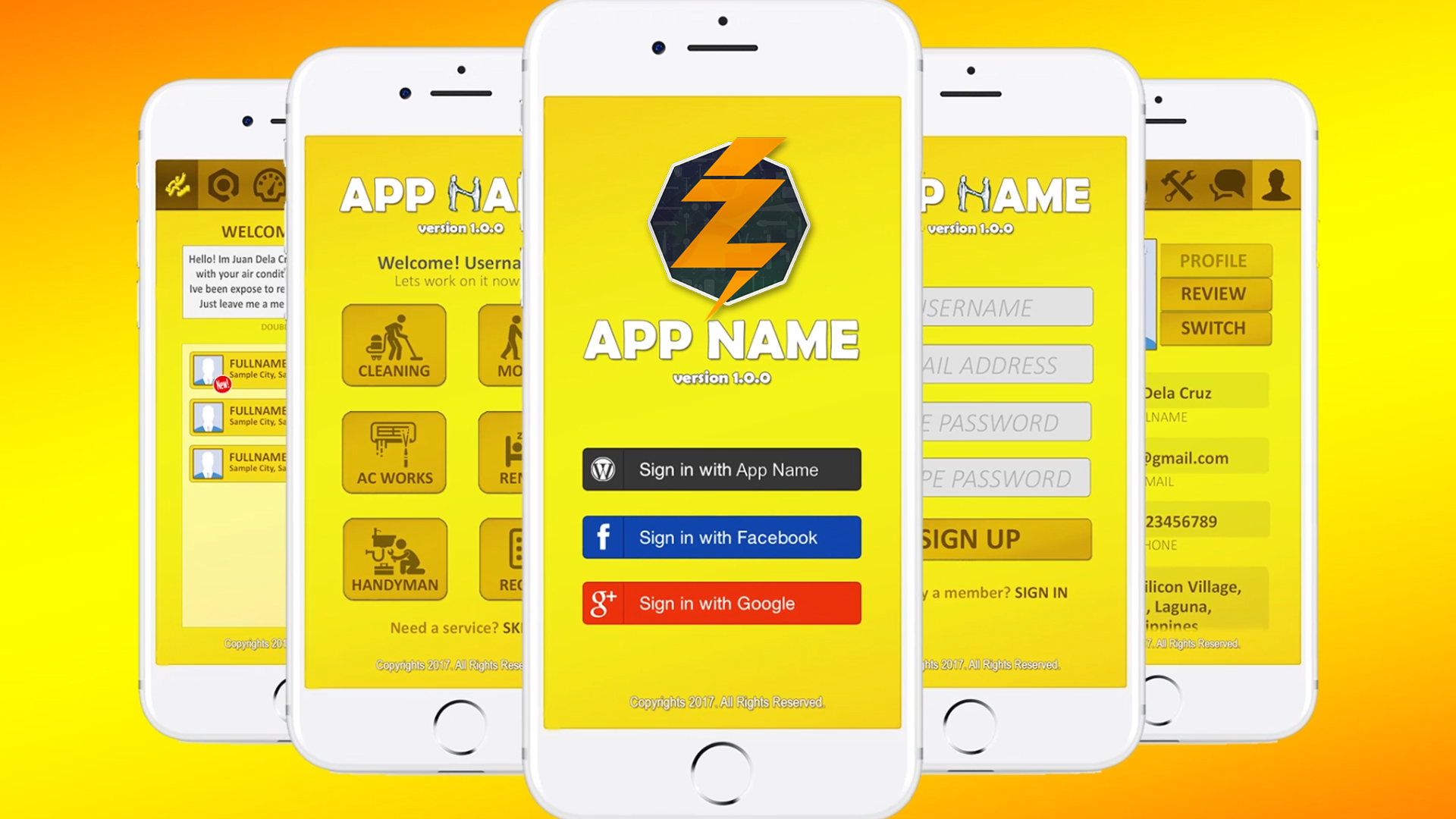
Zervs App – Home Service Mobile Application
Home service can be a little bit frustrating as you find the right people who can do the job. At Zervs App, we provide you with a variety of at-home services that simplify your eve…